2026 Volvo EX30 vs Volvo XC40
The 2026 Volvo EX30 accelerates to 60 mph in 3.4 seconds, beating the XC40 Recharge by 1.3 seconds. This metric applies specifically to the Twin Motor Performance powertrain when properly equipped. Explore both electric models within our active Volvo Cars Hilton Head EV selection.
Powertrain and Acceleration Differences
Choosing the right electric SUV requires understanding how each model delivers power to the pavement. The EX30 represents the newest generation of Volvo electric architecture, focusing on maximum propulsion in a smaller footprint.
| Performance Metric | 2026 Volvo EX30 (Twin Motor) | Volvo XC40 Recharge (Twin Motor) |
|---|---|---|
| 0 to 60 mph | 3.4 seconds | 4.7 seconds |
| Horsepower | 422 hp | 402 hp |
| Torque | 400 lb-ft | 494 lb-ft |
| Max Towing Capacity | 2,000 lbs (when properly equipped) | 3,500 lbs (when properly equipped) |
The EX30 utilizes its lighter chassis to achieve a faster 0 to 60 mph sprint, making it the fastest-accelerating Volvo produced to date. This means merging onto Route 278 requires less effort and provides instant throttle response. For a complete breakdown of available powertrains and features, visit our 2026 Volvo EX30 Bluffton guide.
Size and Maneuverability
While both vehicles fit securely in the compact category, their physical dimensions serve different buyer needs.
| Dimension | 2026 Volvo EX30 | Volvo XC40 Recharge |
|---|---|---|
| Overall Length | 166.7 inches | 174.8 inches |
| Turning Circle | 35.1 ft | 37.4 ft |
| Max Cargo Capacity | 27.8 cubic feet (when properly equipped) | 57.5 cubic feet (when properly equipped) |
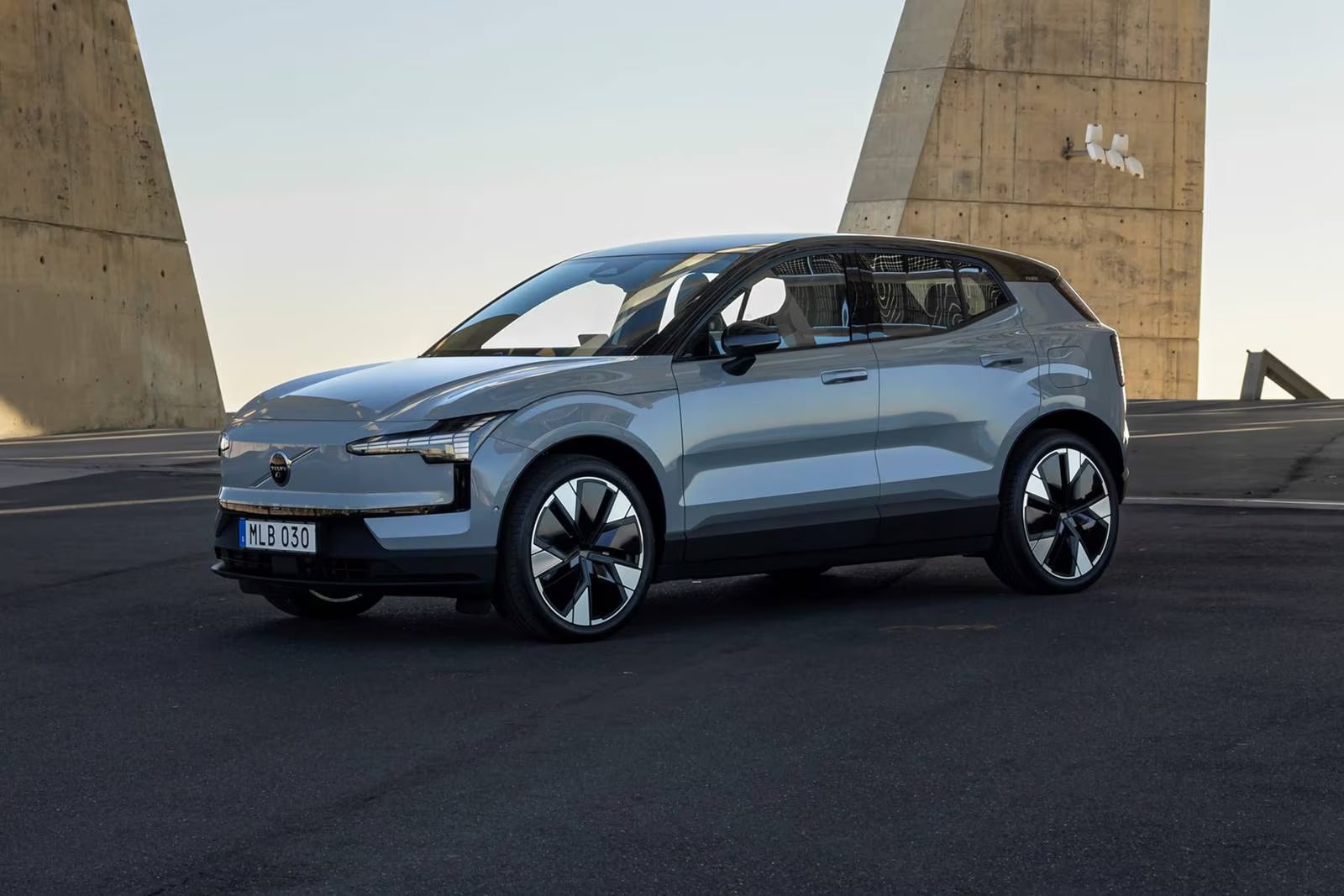
A 35.1-foot turning circle allows the EX30 to navigate tight spaces effortlessly. This translates to simpler parallel parking in Old Town Bluffton and easier U-turns on narrow coastal roads. The XC40 trades some of this maneuverability for increased cargo volume, making it more suitable for drivers who prioritize carrying bulkier items over maximizing parking ease. Verify these footprint metrics via the official Volvo Cars USA specifications.
Efficiency and Charging
Energy consumption is a core differentiator between these two models. Both vehicles utilize advanced battery technology, but the EX30 focuses on urban efficiency.
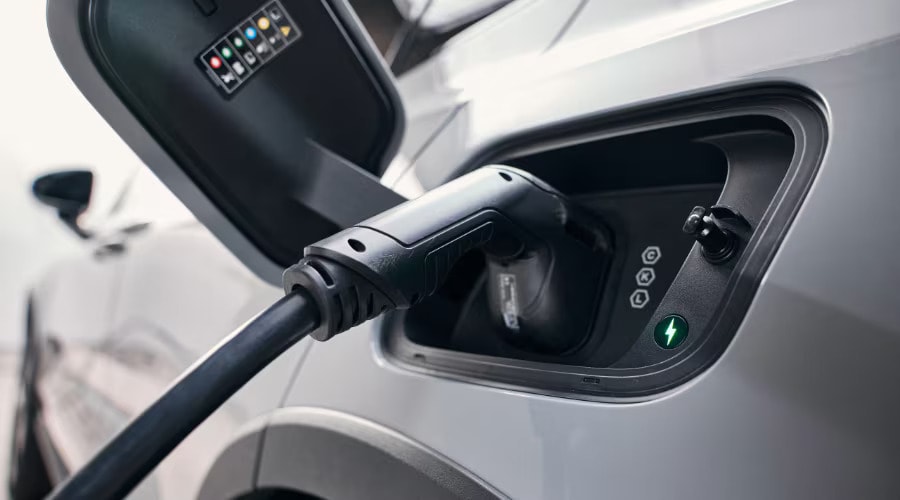
The EX30 features a 69.0 kWh battery capacity, while the XC40 Recharge utilizes a larger 82.0 kWh pack in its single-motor configuration. A smaller battery in a lighter vehicle allows the EX30 to achieve up to a combined 116 MPGe. Higher MPGe ratings mean you spend less on electricity to cover the same distance, keeping your daily commute highly cost-effective. Both vehicles support DC Fast Charging, meaning you can replenish the battery rapidly at public stations across South Carolina.